 0:29
0:29 Capture
Drive a corridor with the roof-rack 360° camera + GPS rig. The footage is the raw material everything else depends on.

Video gallery
Short clips covering the drive-by capture rig, the AI feature-extraction pipeline, the GIS integration step, and a phone-to-point-cloud demo. Every clip plays inline — no external embeds, no recommendations panel.
0:29 Drive a corridor with the roof-rack 360° camera + GPS rig. The footage is the raw material everything else depends on.
 1:02
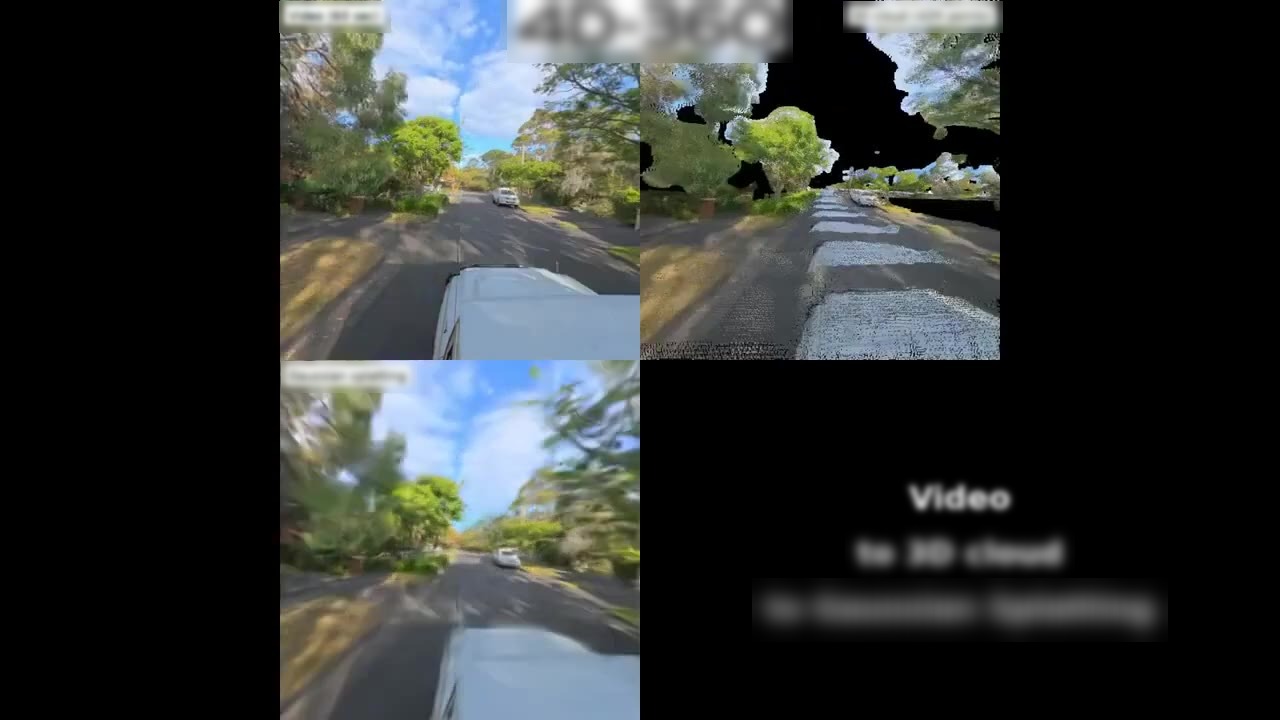
1:02 Turn the drive into point clouds, photo-real scenes, surface meshes, and asset inventories (poles, wires, vegetation).
 0:29
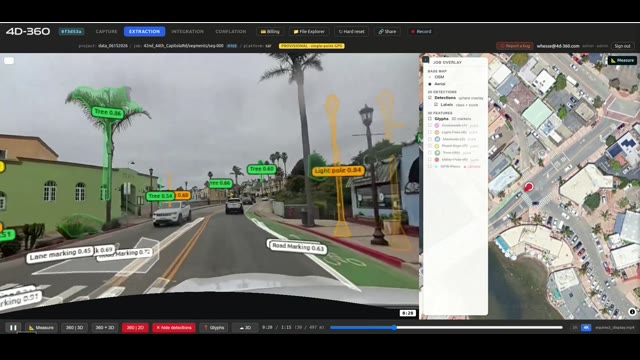
0:29 A drive through Capitola, California, seen in the 4D-360 explorer. Every tree is outlined to the shape of its own canopy — not a box drawn around it — alongside road signs, light poles, crosswalks, manholes and lane markings, each carrying the confidence it was found with.
 12:34
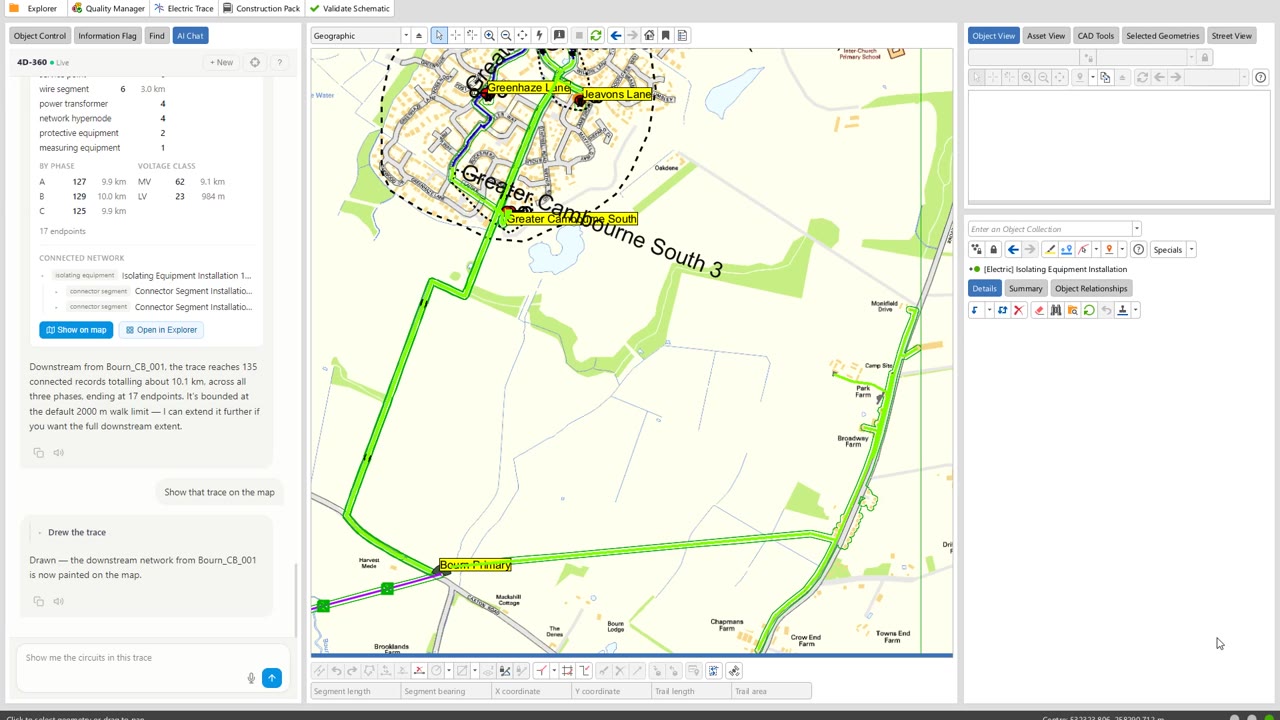
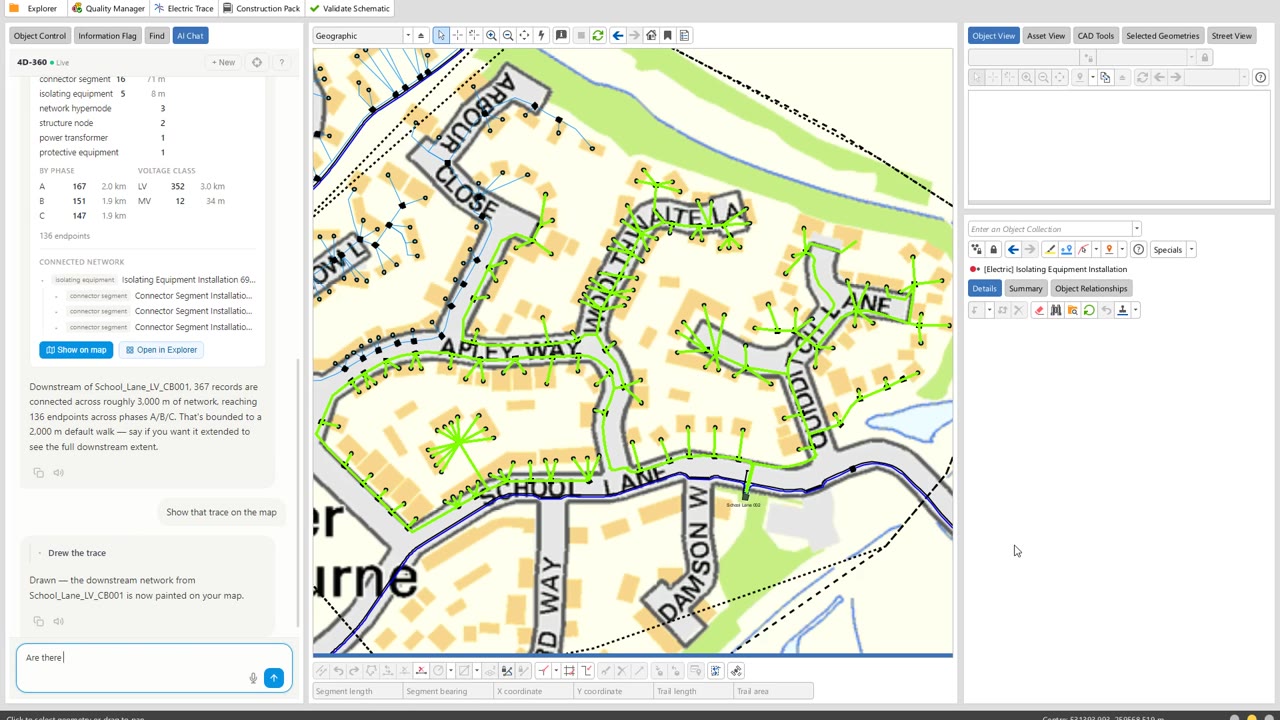
12:34 A working session inside Smallworld Electric Office, with Smallworld-AI in the application itself. Plain-language questions answered from the live database: a downstream trace painted onto the map with the platform's own trace display, a true-scale page plotted off your own circuit templates, and the application's own dialogs and Quality Manager read back in plain language. Nothing pre-scripted — and anything that would leave the machine asks first.
 5:01
5:01 A planned outage worked end to end in Smallworld Electric Office. A low-voltage breaker has to come out for maintenance: one question traces everything that goes dark, across all three phases, paints it on the map in the platform's own symbology, hands customer services the service points to write to, and plots the contractor a scale drawing off a template already in the install. Normally about ten steps across two tools.
 4:04
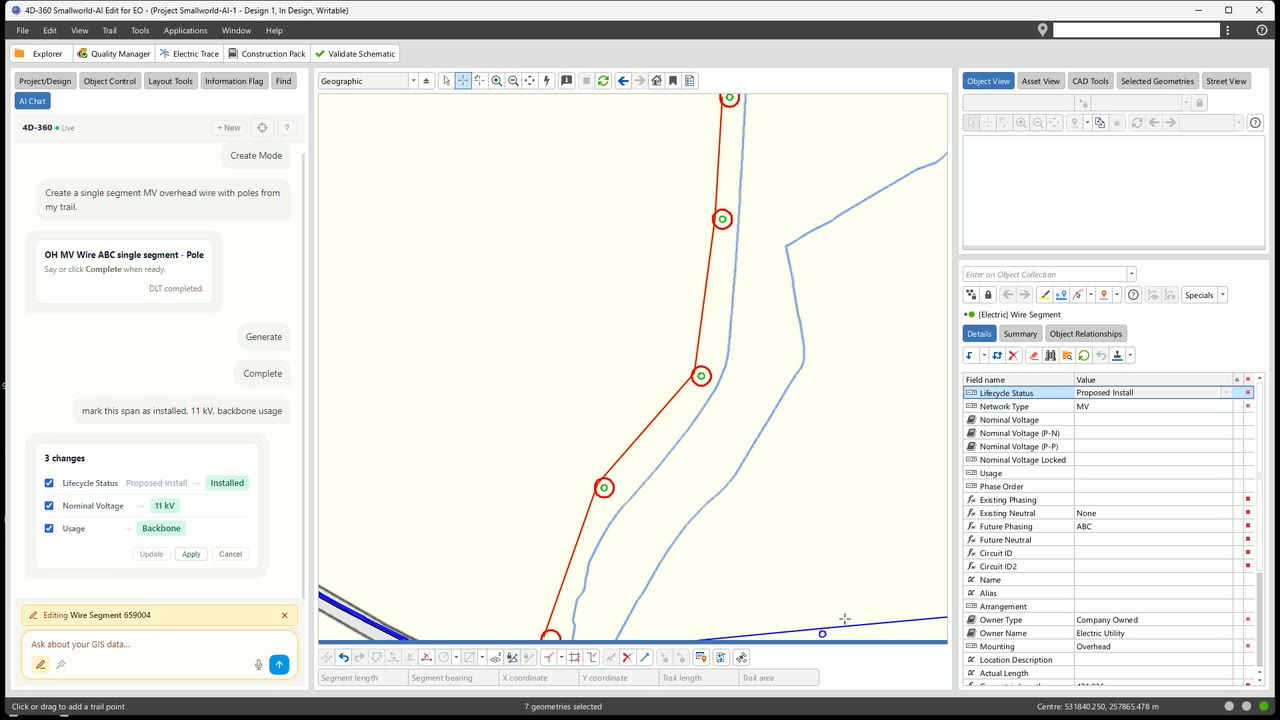
4:04 An overhead line extended to reach new load at the end of a feeder, and the record of it completed the same day, inside Smallworld Electric Office. Two words spoken out loud open the layout wizard the planners already have — nothing is built by saying it — and the span and its poles are placed, then completed. The wizard leaves the record without voltage or usage; a plain-language instruction sets three fields at once, checked against the collection’s own data model before anything is written. The assistant proposes; a person presses Apply, then Update; the write lands in their own design, under their own permissions.
 11:39
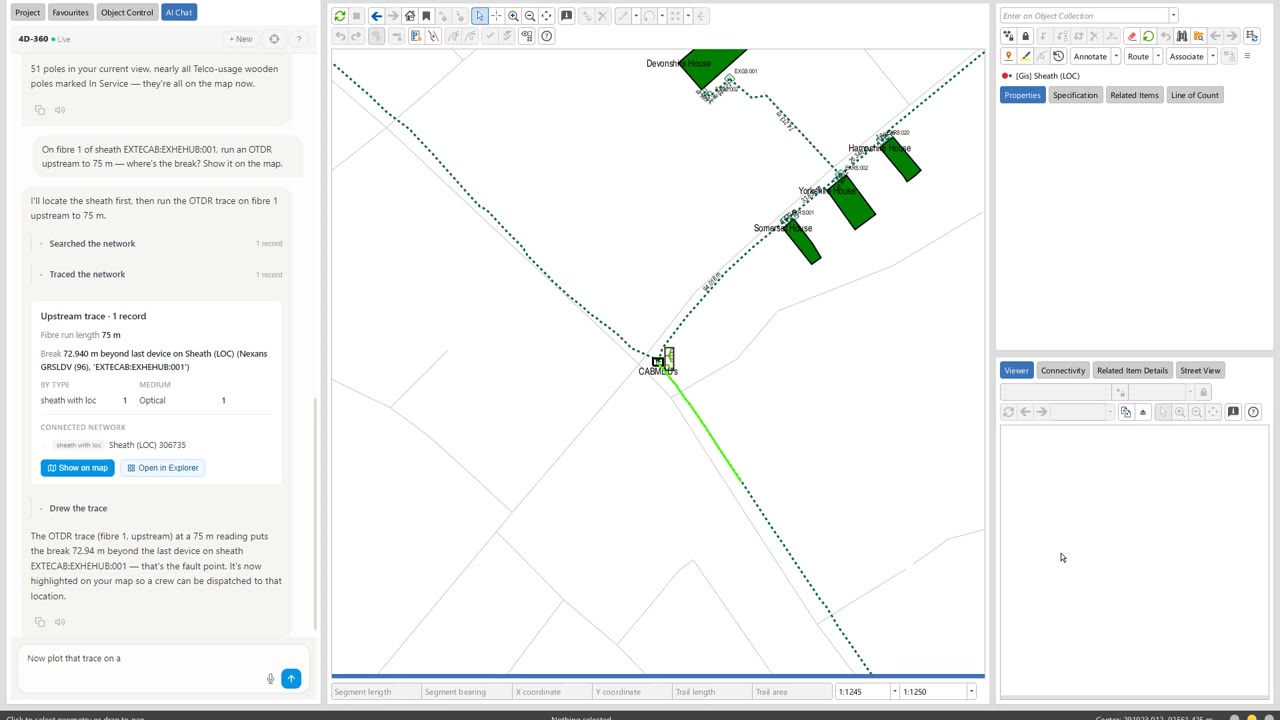
11:39 Telecom network questions asked in plain language against a live Smallworld Physical Network Inventory. How much plant do we own, and how it was built. A fault along a fibre turned into a place on the map and a dispatch sheet centred on it. The duct route a crew would actually dig between two cabinets, not the cable path. Then a greenfield estate sized into a bill of materials, on your own design standard.
 3:52
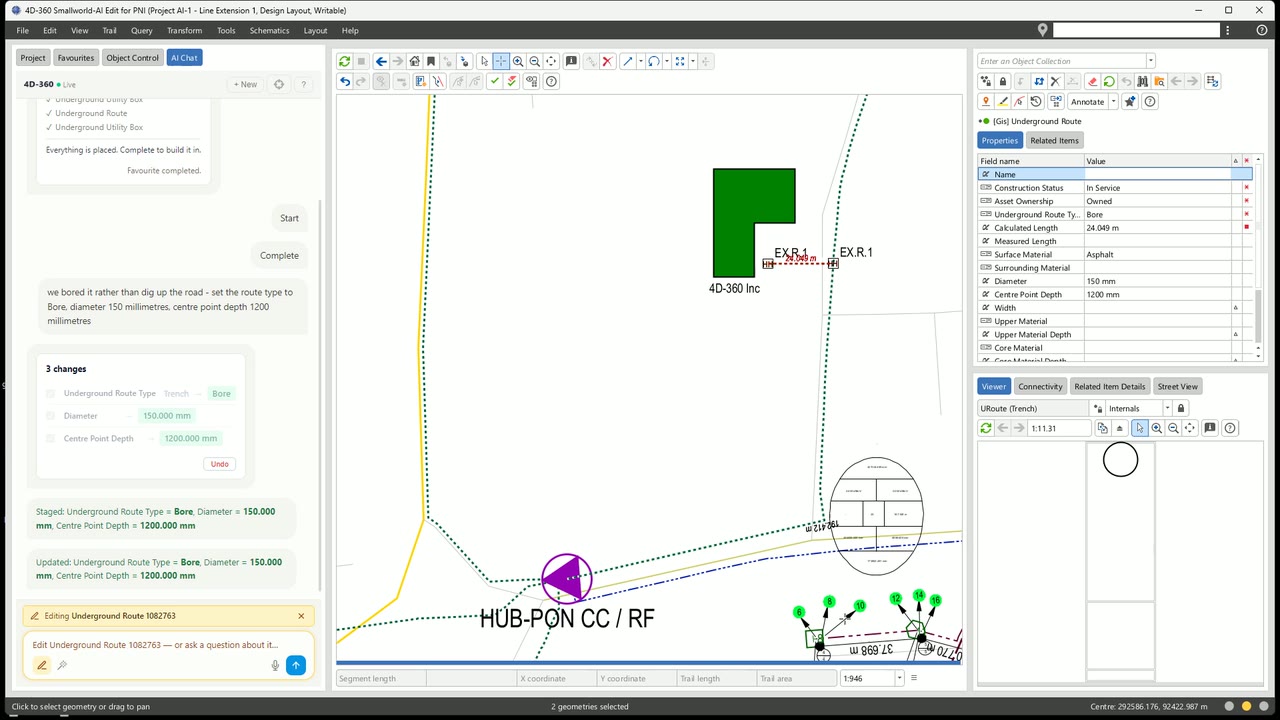
3:52 The civils for a new fibre customer’s lead-in, built and as-built inside Smallworld Physical Network Inventory. Four commands spoken out loud — create mode, the catalogue item, start, complete — place a duct route with a chamber at each end, using the application’s own Favourites. Then the record of that same route is corrected where the crew deviated: the template saved it as trench, they bored it rather than open the road, and three fields change together — route type, diameter and centre point depth — checked against the collection’s own data model before anything is written. The assistant proposes; a person presses Apply, then Update; the write lands in their own design, under their own permissions.
 0:49
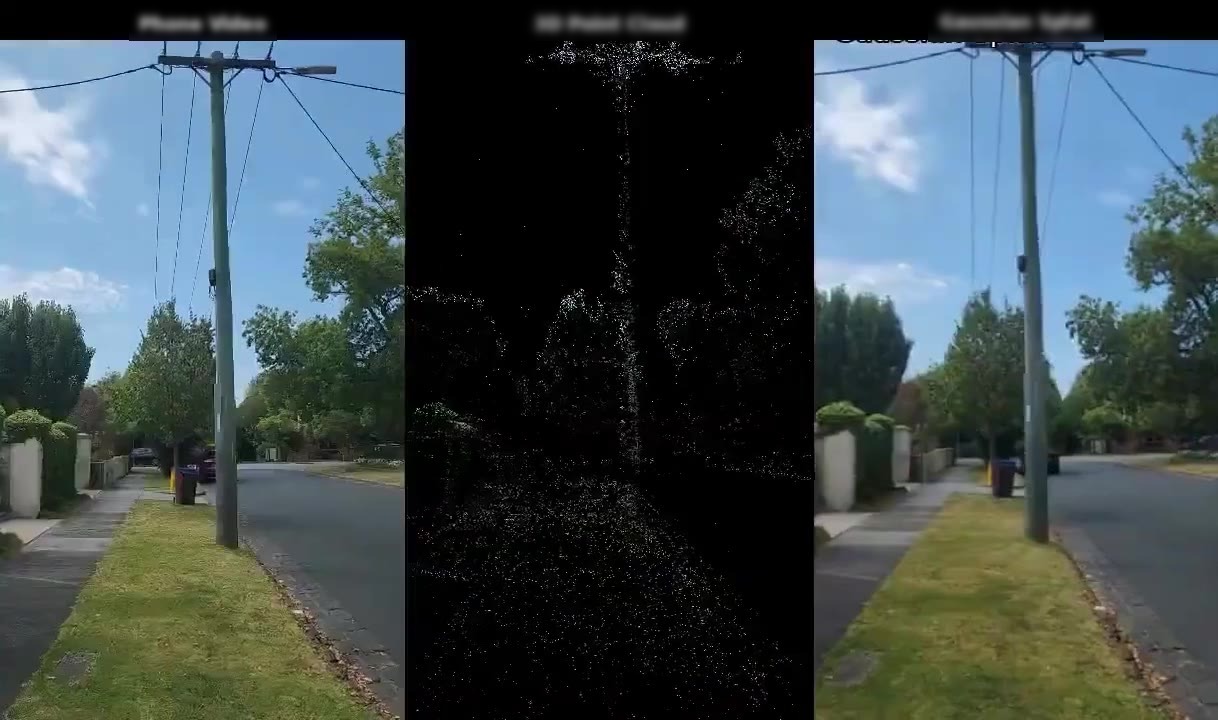
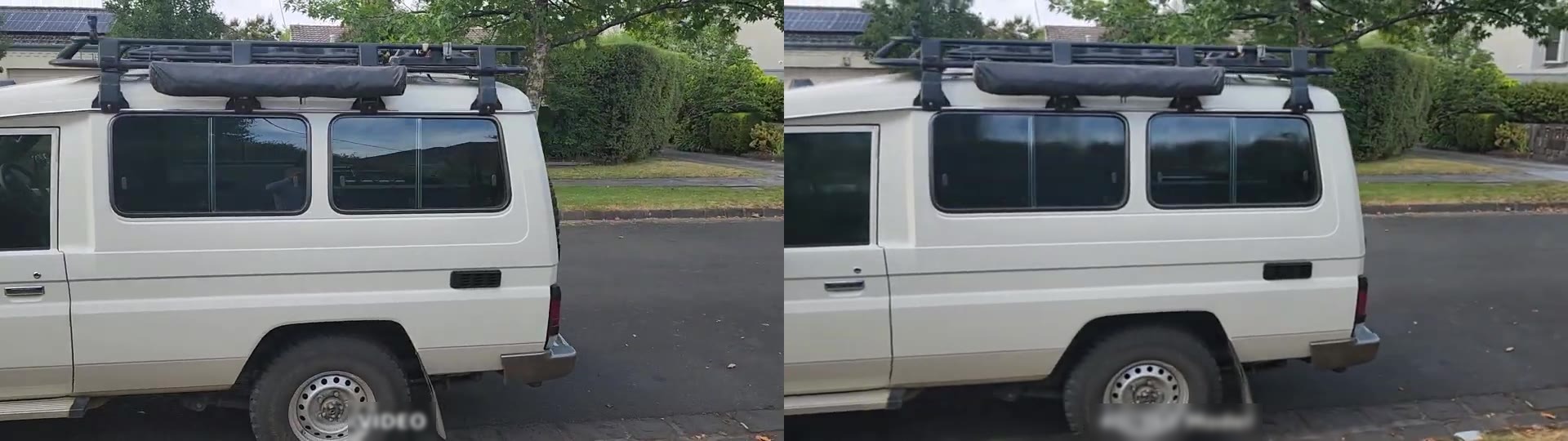
0:49 A single phone-camera pass around a parked vehicle, fed into the 4D-360 pipeline. The AI inspects every frame to pick the optimal reconstruction method, then produces a measurable, navigable 3D scene.
 0:54
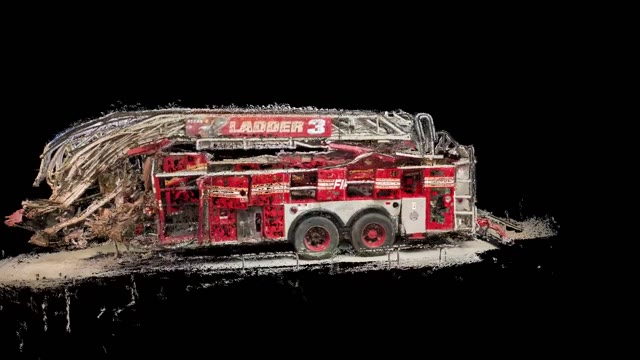
0:54 The remains of Ladder Company 3, on display at the September 11 Memorial Museum in New York, rebuilt as a three-million-point 3D scene from one 64-second handheld phone video — no laser scanner, no survey rig, no markers. Orbit it, inspect it from any angle, measure across it.
 0:51
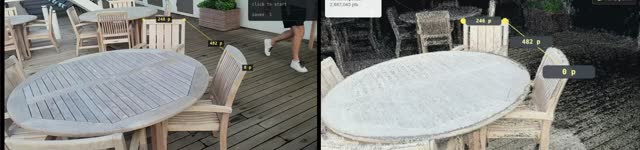
0:51 A phone-camera pass of deck furniture aboard the Queen Mary 2, beside the point cloud derived from it — used to measure real dimensions. Sharp and faithful, without the heavy processing of a photoreal render.